The Must-Have Undercoat Brush: Which Model to Choose in 2026?
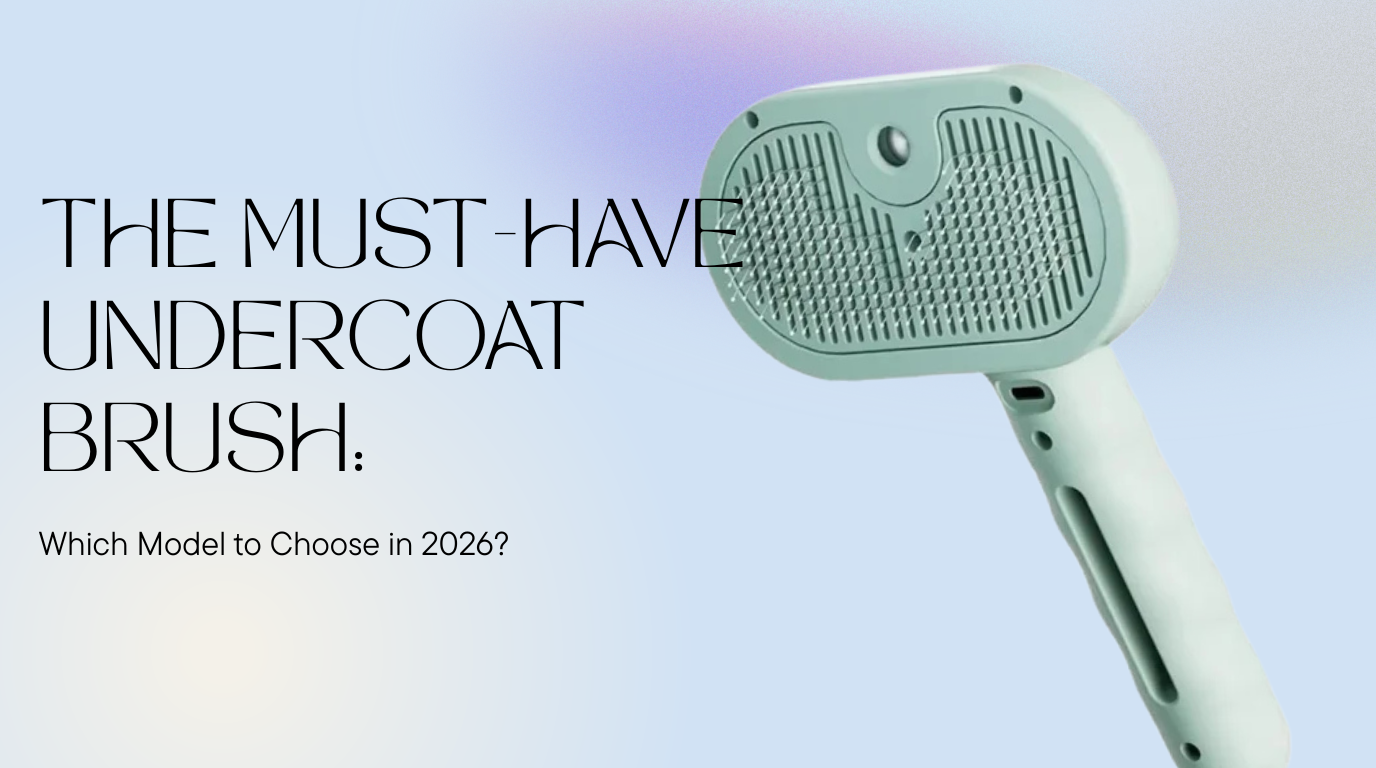 Understanding which undercoat brush to choose has never been more important. With the explosion of pet grooming accessories, innovative models, and marketing claims everywhere, it can be hard to know which brush is truly effective for your dog or cat. This complete guide will help you identify the most effective brushes, those suitable for your pet’s coat type, and those you might want to avoid. The goal: help you choose your brush smartly and make grooming simpler and more efficient.
1. Why Choosing the Right Undercoat Brush Matters
Your pet’s coat isn’t just for looks: it protects against cold, regulates temperature, and acts as a barrier against external aggressions. Choosing the right brush allows you to:
- Remove dead hair and tangles to prevent painful mats.
- Reduce shedding at home, especially during seasonal molts.
- Stimulate blood circulation and improve skin and coat health.
- Make grooming easier, creating a more pleasant experience for you and your pet.
- Prevent skin irritations or ingrown hairs.
In short: choosing the right brush means taking full control of your pet’s grooming routine.
2. How to Recognize a Good Undercoat Brush
Not all brushes are created equal. Here are the essential criteria for evaluating their effectiveness:
• Type of Blades or Pins
- Fine metal blades: perfect for long and dense coats.
- Soft silicone or plastic pins: ideal for short or sensitive hair.
- Flexible head: adapts the pressure depending on the area being brushed (belly, paws, neck).
• Ergonomics and Comfort
- Non-slip handle: reduces hand fatigue during grooming.
- Lightweight design: easier to handle for long grooming sessions.
• Cleaning System
- Self-cleaning button: quickly removes accumulated hair.
- Detachable brushes: allow full cleaning and extend the product’s life.
• Materials
- Stainless steel: durable, rust-resistant, and hygienic.
- Soft silicone: protects sensitive skin and reduces irritation.
3. Brushes to Look for Based on Coat Type
Long-Haired Dogs and Cats
- Furminator Long Hair: effectively removes undercoat without damaging the topcoat.
- Fine stainless steel blade brush: suitable for thick and wavy coats.
Short-Haired Dogs and Cats
- Silicone pin brush: gentle, captures loose hair, and stimulates circulation.
- Grooming glove: ideal for pets sensitive to traditional brushes.
Sensitive or Delicate Skin
- Soft bristle brush: minimizes irritation.
- Flexible head brush: adapts to body contours, preventing scratches.
4. Spotlight on Star Features: What They Really Offer
- Stainless steel blades: remove undercoat effectively without damaging the coat.
- Ergonomic handle: makes brushing more comfortable for the owner.
- Cleaning button: removes hair build-up with a single click.
- Flexible head: follows body curves, perfect for belly, paws, and sensitive areas.
These features ensure efficient, fast, and comfortable grooming for all coat types.
5. Brushes to Avoid (or Limit)
1. Too Rigid
-
Can irritate the skin, causing redness or micro-cuts.
2. Fragile Plastic Pins
-
Break easily and are ineffective on thick or tangled hair.
3. Brushes Without Cleaning Mechanism
-
Harder to maintain and lose effectiveness over time.
6. Innovation vs. Classic: How to Choose
Innovative models include self-cleaning or electric brushes. Classic models remain effective if they are of good quality.
The best approach?
- Find a balance between comfort, efficiency, and durability.
- A high-priced brush isn’t always better; the key is compatibility with your pet’s coat and ease of use.
7. How to Choose Based on Your Pet’s Needs
Identify Your Main Goal
- Remove loose hair
- Reduce tangles
- Stimulate skin and coat
Check Coat Type
- Short, medium, or long hair
- Dense or fine coat
Consider Your Pet’s Sensitivity
-
Some breeds have delicate skin and need softer brushes.
8. Common Mistakes to Avoid
- Using a brush unsuitable for the coat type.
- Brushing too hard or too often.
- Neglecting brush maintenance.
- Ignoring sensitive areas or your pet’s comfort.
9. Conclusion: Mastering the Choice of Undercoat Brush for Effective Grooming
Choosing the right undercoat brush becomes simple when you know the essential criteria: coat type, comfort, materials, and features. By identifying the brushes suitable for your pet and avoiding those that pose problems, you can make grooming more effective, faster, and enjoyable for both you and your companion. The key: consistency, gentleness, and brush quality.
Share this article: