Pet Dental Health Guide: What to Look For a Healthy Smile
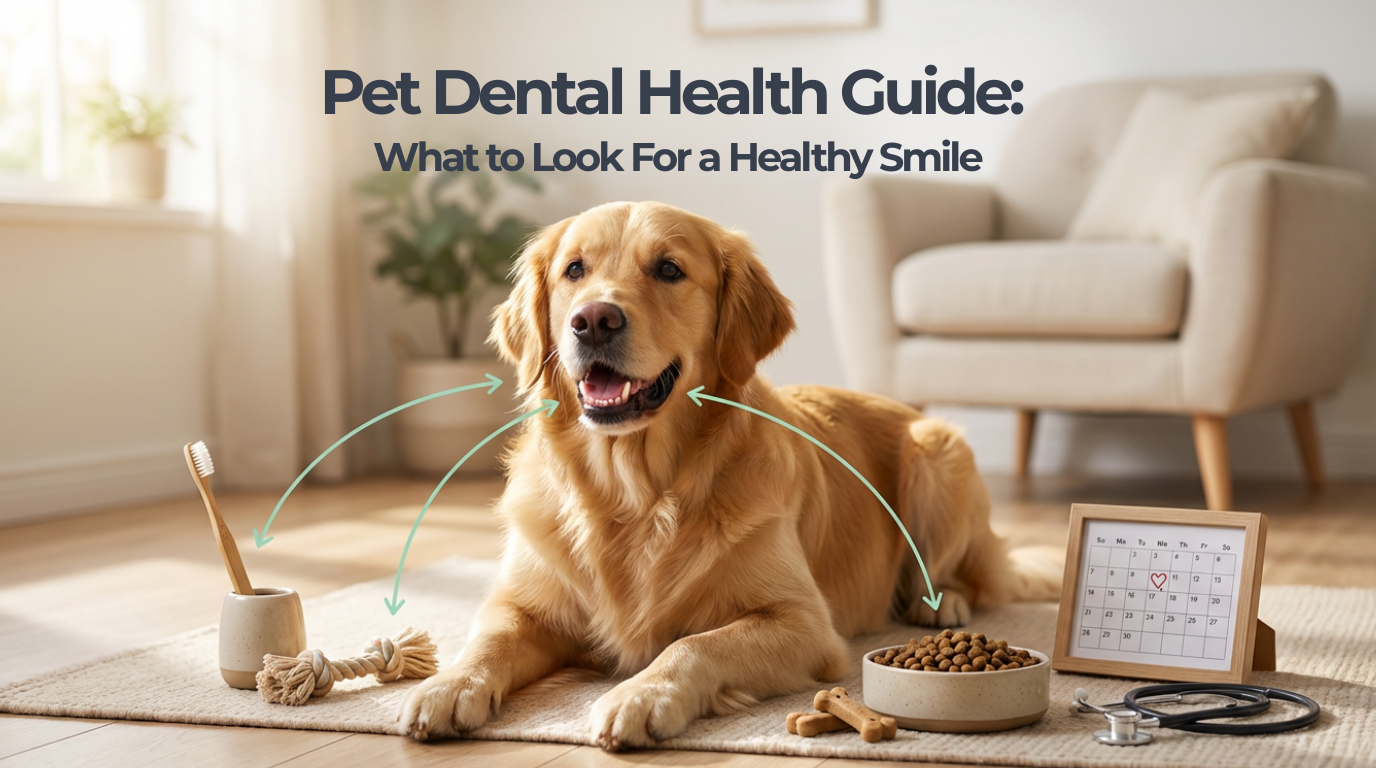
Understanding pet dental care has never been more important. With the rise of dental treats, enzymatic toothpastes, water additives, and endless marketing claims, many pet owners struggle to know what truly benefits their dog’s or cat’s oral health. This complete guide helps you identify effective dental care practices, choose the right products for your pet, and avoid common mistakes. The goal: helping you build a smart, safe, and effective dental routine for a healthier, happier pet.
1. Why Is Dental Health So Important for Pets?
Dental health is not just about fresh breath—it directly impacts your pet’s overall well-being. Poor oral hygiene can lead to:
-
Plaque and tartar buildup, causing gum inflammation and infections
-
Pain and discomfort, leading to difficulty eating or behavioral changes
-
Bad breath (halitosis), often a sign of bacterial overgrowth
-
Systemic health issues, as bacteria from the mouth can affect the heart, liver, and kidneys
In short: healthy teeth and gums support your pet’s entire body, not just their smile.
2. How to Understand Pet Dental Care Products
From toothpastes and dental chews to sprays and toys, not all dental products work the same way. Knowing how to read labels helps you make better choices.
• Active ingredients matter
Look for proven dental agents such as:
-
Enzymes (glucose oxidase, lactoperoxidase)
-
Chlorhexidine
-
Pet-safe fluoride alternatives
These help reduce plaque, bacteria, and tartar formation.
• “Natural” doesn’t always mean safe
Some plant extracts are helpful, but strong essential oils can irritate gums or cause digestive issues.
• Chemical-sounding names aren’t always bad
Many safe and effective dental ingredients have technical names. Effectiveness matters more than marketing language.
• Concentration makes a difference
A dental chew without active ingredients or proper texture may offer minimal benefit beyond chewing satisfaction.
3. Dental Care Essentials by Pet Type
Cats:
-
Gentle brushing using a cat-specific toothbrush and toothpaste
-
Enzymatic dental treats for plaque control without stress
-
Dental-supportive dry food designed to reduce tartar mechanically
Dogs:
-
Regular tooth brushing (2–3 times per week minimum)
-
Dental chew toys that massage gums and remove plaque
-
Dental sprays or water additives containing antibacterial or enzymatic agents
4. Star Dental Ingredients: What They Actually Do
| Ingredient | Benefit |
|---|---|
| Chlorhexidine | Powerful antibacterial action, helps prevent gingivitis |
| Enzymes | Break down plaque and reduce tartar formation |
| Pet-safe fluoride alternatives | Strengthen enamel and reduce decay |
| Mechanical textures | Physically clean teeth and stimulate gums |
5. Ingredients and Practices to Avoid
Not all dental care habits are safe for pets.
5.1 Human dental products
-
Human toothpaste often contains xylitol or fluoride, which are toxic to pets.
5.2 Strong essential oils
-
Can irritate gums, upset digestion, or cause toxicity if swallowed.
5.3 Sticky or sugary treats
-
Promote plaque buildup and increase the risk of dental disease.
5.4 Aggressive brushing
-
Brushing too hard can damage sensitive gums and cause bleeding.
6. Combining Dental Care Methods for Best Results
The most effective dental routine uses multiple approaches:
-
Consistent brushing: ideally daily, minimum 2–3 times per week
-
Dental chews and toys: supportive, not replacements for brushing
-
Regular veterinary checkups: early detection of dental issues
-
Balanced nutrition: dental-formulated foods can reduce tartar buildup
7. How to Choose the Right Dental Product for Your Pet
-
Identify your main goal
-
Plaque reduction
-
Tartar prevention
-
Gum health
-
Fresh breath
-
-
Check for active ingredients
-
Enzymes, chlorhexidine, antibacterial agents
-
-
Ensure pet compatibility
-
Cats and dogs require different formulations
-
Consider sensitivities or allergies
-
-
Choose vet-recommended products
-
Tested for safety and proven effectiveness
-
8. Common Mistakes to Avoid
-
Skipping dental care until problems appear
-
Using too many products at once without guidance
-
Frequently changing products, causing stress or refusal
-
Ignoring age and breed differences (small breeds are more prone to dental issues)
9. Conclusion: Mastering Pet Dental Care for a Healthy Smile
Pet dental care becomes simple when you understand what truly works. By choosing effective products, avoiding harmful ingredients, and maintaining a consistent routine, you give your pet:
-
Healthier teeth and gums
-
Fresher breath
-
Greater comfort and quality of life
The key is consistency, smart product selection, and regular veterinary monitoring. A healthy smile means a healthier pet—inside and out.
Share this article: